Finding the Right General Contractor: Guidance for a Successful Home Remodel
Identifying the best general contractor is essential for a successful home renovation. Residents often encounter difficulties in finding experienced experts. Establishing renovation goals is the starting point. Following this, they must explore various sources to find reputable contractors. Essential credentials and proper communication play significant roles in the hiring process. As homeowners commence on this process, recognizing key considerations can lead to thoughtful decisions. The next steps may define the entire renovation journey.
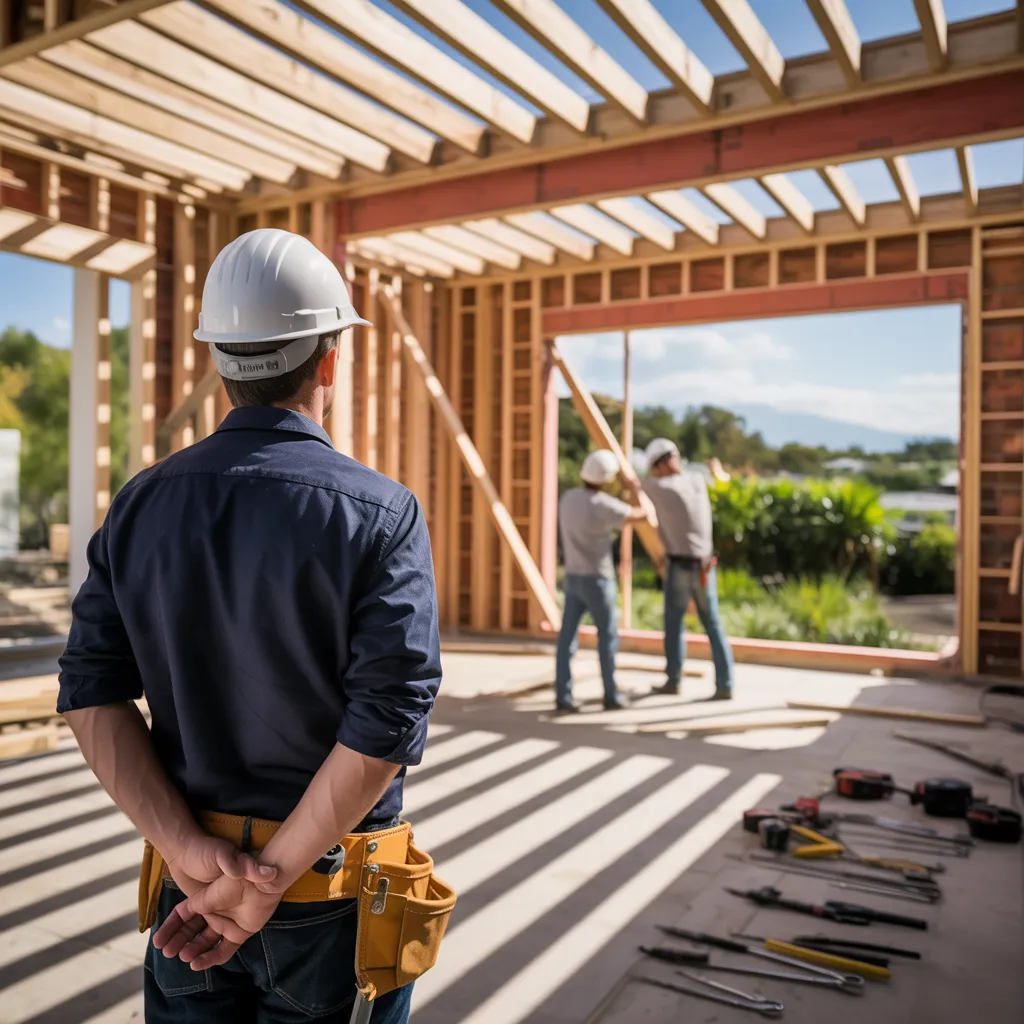
Start by Outlining Your Renovation Goals
When beginning a renovation project, defining clear goals is crucial for success. It empowers homeowners to express their vision clearly, prioritize needs, and allocate resources effectively. These goals should address not only aesthetic preferences but also functional requirements, budgetary restrictions, and timelines. By setting concrete objectives, such as increasing living space or enhancing energy efficiency, homeowners can build a structured plan that guides the entire renovation process.
In addition, incorporating all stakeholders from the start of the planning phase ensures that all expectations are in agreement. Such a cooperative method limits miscommunication and promotes a unified sense of intent. At its core, precisely outlined renovation targets function as a strategic blueprint, allowing homeowners to make informed decisions and assess prospective contractors with greater precision. By laying a solid foundation through clear objectives, the probability of a favorable outcome increases considerably, producing a gratifying upgrade of the living area.
Where to Look for Dependable Contractors
When searching for dependable contractors, individuals often turn to web-based directories and platforms that feature ratings and reviews. Additionally, referrals and local recommendations from acquaintances or family members provide valuable insights into a contractor's work quality and dependability. Merging these sources of information can lead to an informed decision-making process.
Online Directories and Services
Steering through the wide landscape of online directories and platforms can significantly simplify the search for trustworthy general contractors. Platforms like Angie's List, HomeAdvisor, and Thumbtack enable homeowners to review profiles, check feedback, and assess rankings of various contractors. These platforms frequently include verified reviews, providing insights into a contractor's reliability and quality of work. Users can narrow results based on individual criteria, such as project type and budget. Additionally, many directories offer comprehensive details about each contractor's professional background, including certification and insurance information. By taking advantage of these platforms, homeowners can simplify their selection process, gaining access to a larger selection of potential candidates while securing knowledgeable selections when hiring a general contractor for their home improvement endeavors.
Community Recommendations and Referrals
How do homeowners go about finding dependable general contractors in their community? One practical strategy is to gather recommendations and referrals from the local community. Family members, friends, and neighbors who have recently completed renovation projects can offer helpful perspectives on their interactions with contractors. Additionally, local community boards, social media groups, and neighborhood apps often feature discussions and endorsements for reliable professionals. Homeowners can benefit from stopping by local trade supply centers or hardware stores, where knowledgeable employees might point them toward contractors experienced in the region. Attending home improvement shows can offer a chance to meet contractors in person and gather more information. By making the most of these local resources, homeowners can greatly increase their prospects of identifying a competent general contractor for their remodeling needs.
Key Qualifications to Confirm in a General Contractor
Every reputable general contractor should have several essential credentials that instill confidence in their abilities. Above all else, a valid license is critical; this guarantees compliance with local regulations and standards. Additionally, proof of insurance, including liability and worker's compensation, protects both the contractor and the homeowner from unforeseen incidents during the renovation process.
Furthermore, a building contractor should offer testimonials from former clients, showcasing their proven record of completed projects. Certifications from reputable organizations can also reflect advanced skills or professional development in particular construction disciplines.
In addition, it is essential to verify that the general contractor has a good standing with the Better Business Bureau, reflecting their credibility within the community. By validating these professional credentials, homeowners and property owners can significantly reduce the risks related to hiring a contractor, setting the stage for a more streamlined and more effective remodeling experience.
Assessing Contractor Quotes: Essential Considerations
When assessing contractor estimates, several key factors merit attention. Examining project scope information confirms that all components of the project are included, while assessing material quality projections can uncover possible future expenses. Furthermore, a thorough analysis of completion timelines assists in defining realistic expectations for finishing the work.
Analyze Project Scope Details
What key factors should one examine when evaluating project scope information in contractor estimates? Initially, a clear scope description is fundamental; every contractor must supply a thorough breakdown of work to be completed. Next, schedules need to be explicitly outlined, including start and completion dates, as well as milestones. It is equally important to evaluate workforce expenses and the quantity of personnel dedicated to the job, since this directly affects overall productivity. Additionally, it is wise to consider how each contractor handles unexpected modifications or unanticipated challenges within the project scope. In closing, understanding payment terms and conditions can prevent surprises later on. By concentrating on these factors, property owners are better equipped to choose the most suitable contractor for their remodeling projects.
Assess Material Quality Estimates
Evaluating the quality of material estimates is crucial for homeowners seeking to secure the durability and visual appeal of their home renovation projects. When reviewing estimates from contractors, it is vital to closely inspect the types of materials outlined. Premium materials may come with a greater initial investment but can lead to substantial cost savings over time through durability and reduced maintenance. Homeowners should ask about the brands and sources of the materials used, as well as any guarantees included. Furthermore, it's essential to understand the potential impact of using inferior materials, which might undermine the overall quality of the remodeling project. By diligently assessing these quotes, property owners can arrive at sound decisions that match their budget and long-term goals.
Review Timeline Proposals Thoroughly
A thorough review of timeline proposals is essential for homeowners seeking to understand the scope and schedule of their remodeling projects. Assessing these timelines helps identify potential bottlenecks and confirms that the contractor's vision matches the homeowner's vision. Homeowners should examine the proposed start and completion dates, as well as key milestones throughout the project. It is also important to take into account any allowances for unanticipated disruptions, which can affect the project schedule. Transparent communication about these factors can prevent misunderstandings later on. Additionally, homeowners should compare timelines from multiple contractors to determine accuracy and achievability. A properly organized timeline not only improves project oversight but also builds confidence between homeowners and contractors, setting a solid foundation for collaboration.
The Significance of Communication With Your General Contractor
Effective communication with a general contractor is essential, as it lays the foundation for a successful project. Open dialogue ensures that both parties are aligned on project goals, timelines, and expectations. Frequent updates and open lines of communication can resolve misunderstandings, decreasing the chance of costly errors.
Furthermore, effective communication fosters a productive setting, enabling homeowners to voice their needs and concerns. This level of clarity can produce inventive approaches that match the homeowner's goals while staying within financial boundaries.
Setting up a plan for communication at the outset, encompassing preferred communication methods and update frequency, can enhance the collaborative relationship. Each party should feel at ease navigating challenges and adjustments as they arise. At the end of the day, consistent communication not only facilitates smoother project execution but also builds trust, which is vital for maneuvering the complexities of home renovation projects.
Steps to Verify References and Previous Projects
How can homeowners guarantee they choose a reliable general contractor? One essential step involves checking references and reviewing previous work. Homeowners ought to ask for a roster of past clients and make an effort to reach out to them. Questions should center on the contractor's dependability, craftsmanship, and commitment to schedules and costs.
Additionally, property owners can ask for photos or videos of finished work to assess the builder's skill and artistry. Visiting active job sites reveals more about the contractor's work ethic and organization.
Online ratings and reviews on platforms like Google and Yelp can also provide valuable insights. Homeowners should be cautious of contractors with persistently unfavorable ratings or lack of transparency. By carefully evaluating references and past projects, homeowners can make informed decisions, minimizing the risk of bringing on inexperienced professionals and guaranteeing their remodeling objectives are achieved successfully.
Key Questions to Ask Before Signing a Contract
Mistaken beliefs can result in significant missteps in home renovations. Before signing a contract with a general contractor, homeowners should pose important questions to guarantee clarity and alignment. Start by questioning the contractor's experience with like projects to evaluate their proficiency. It is important to have a clear picture of the project schedule and any foreseeable delays. Homeowners should also ask about the payment schedule and what constitutes additional costs.
Clarifying the scope of work is important; property owners need to know exactly what is covered. Homeowners should request information about outside contractors and their expertise, as this can affect the overall quality. Moreover, understanding the guarantee on work completed can help avoid complications later.
In addition, property owners should verify the professional's credentials and coverage to safeguard against liabilities. These critical questions will facilitate educated choices, promoting a smoother renovation process.
Frequently Asked Questions
How Much Time Does a Standard Home Renovation Usually Take?
An average home renovation can take anywhere from a couple of weeks to many months, subject to the scope and complexity of the project, along with the availability of materials and contractors, which can considerably impact the overall timeline.
How Should I Handle It if My Contractor Goes Over Budget?
If a contractor exceeds the budget, the homeowner is advised to review the contract terms, discuss the reasons for the overage, and work toward mutually agreeable solutions. Thorough communication and proper documentation are key to effectively resolving financial discrepancies.
Is It Possible to Stay in My Home While Renovations Are Underway?
Certainly, homeowners can live in their home during renovations, but it typically copyrights on the extent of the project. Clear communication with the construction team and preparing for disruptions are essential to reduce disruption and secure a safe environment.
What Can I Do if My Contractor Misses Deadlines?
Should a contractor fail to meet agreed deadlines, this can lead to delays in the project, higher costs, and possible disputes. Property owners should carefully find this resource review the contract terms and address their concerns to reach a resolution or pursue alternative measures.
How Can I Resolve Disputes With My Contractor?
To address disputes with a contractor, one should maintain thorough documentation of all interactions, consult the contract for applicable terms, and participate in honest conversation. If the dispute cannot be settled, professional mediation or legal representation might be needed to secure a favorable settlement.